|
In 2026, the traditional concept of the studio muse has been disrupted by the cold glow of the LED screen. As visual arts adapt to a hyper-connected world, streams are emerging as a profound source of inspiration for creators exploring post-digital realism. This intersection of erotic performance and fine art provides a raw, unscripted look at human connection in its most vulnerable state.
Redefining the Muse in the 21st Century
The transition from the physical pedestal to the digital interface has democratized artistic inspiration. Artists today are less reliant on exclusive modeling agencies and more attuned to the spontaneity and realness found in the sex cam industry. Unlike staged photography, the live sex couple offers fleeting gestures and unscripted emotional exchanges that resonate with a generation living between two worlds — the physical and the pixelated.

This shift is also a reflection of changing social attitudes. As digital intimacy becomes a normalized part of modern life, the stigma surrounding webcam platforms is being replaced by a critical appreciation for the narratives of longing and presence they contain. For a visual artist, the flicker of a low-bandwidth stream becomes a texture, and the shared glance between partners becomes a study in modern devotion.
Visual Language: Screen Glow and Glitch Aesthetics
One of the most striking developments in 2026 is the incorporation of technological aesthetics directly into the canvas. Artists are no longer painting around the screen; they are making the screen the subject. The Screen Glow effect — characterized by high-contrast cool blues against the warm undertones of skin — has become a hallmark of contemporary post-digital realism.
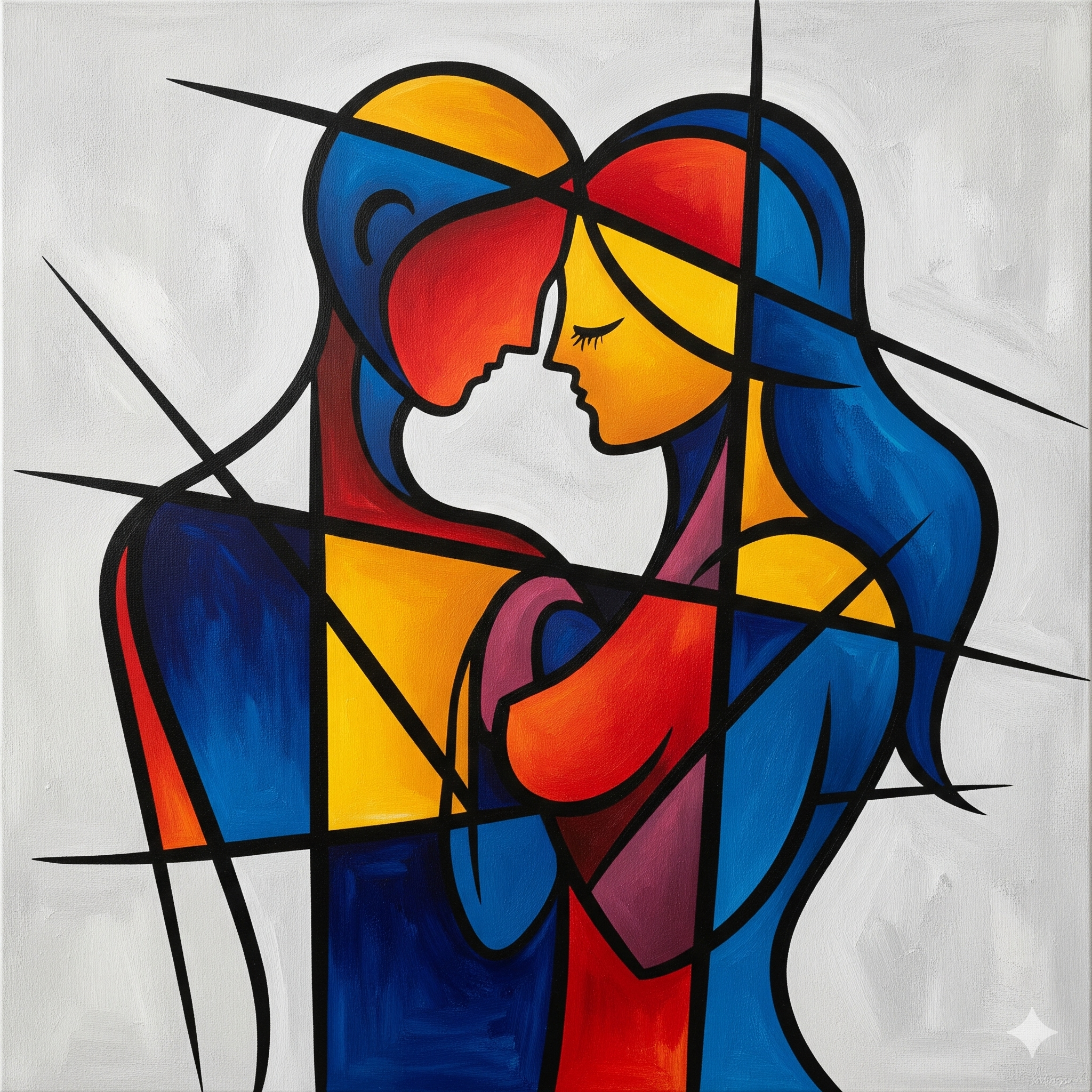
Key symbolic elements in this new genre include:
- Chiaroscuro 2.0 Use of monitor light to create dramatic, modern shadows and depth.
- Fragmented Frames Depicting intimacy through a series of glitches or tiles, mirroring the digital medium.
- Reflective Surfaces Mirrors within the stream representing self-awareness and the public-private paradox.
- Negative Space Focusing on the empty room after a session ends to symbolize digital absence.
Vulnerability in the Spotlight: Ethical Considerations
The transformation of private moments into captivating visual stories involves complex hurdles for artists. In 2026, the conversation has moved toward ethical co-creation. Responsible artists now engage in dialogue with their digital muses, acknowledging the agency of the live sex couple not just as subjects, but as models and collaborators. This synergy ensures that the resulting art is a tribute to human connection rather than a mere observation of it.
The Future of Digital Expression
Ultimately, the use of webcam-inspired creations marks a new chapter in the history of art. By blending the virtual with the physical, artists are documenting the reality of how we love and connect today. As AR/VR integration begins to enter galleries, we expect these visual stories to become even more immersive, proving that even in a world of pixels, the raw essence of closeness remains the most powerful muse.
|